
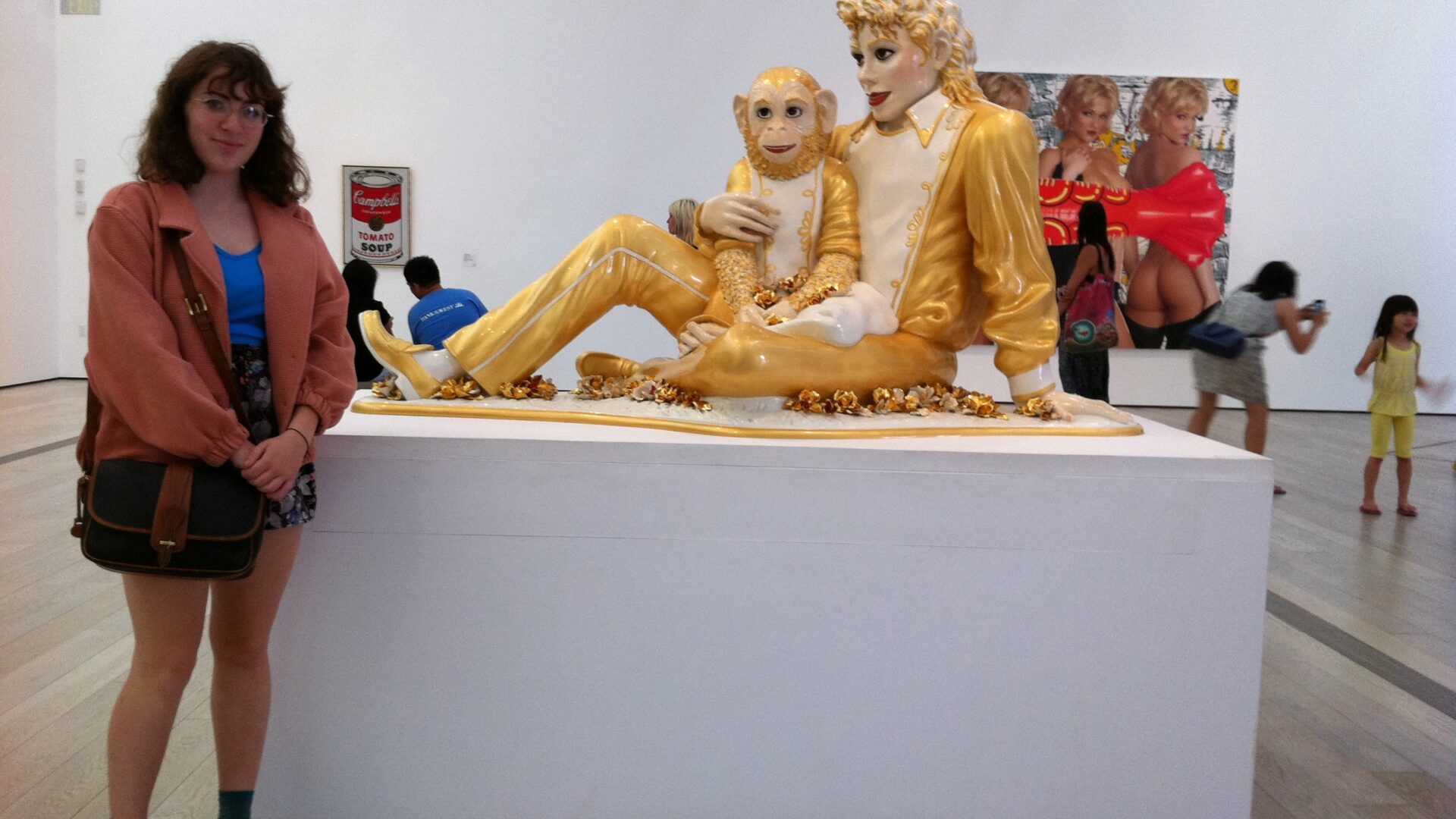
Hello there, fellow art enthusiasts! Have you ever approached a museum and had to stop before the ticket booth, wondering if it was worth spending money to get in? Well, I’m here to tell you that it doesn’t have to be this way. Yes, I’m advocating for free admission to all museums. I know, I know, “What about the costs of maintaining a museum?” you might ask. Fear not, dear reader, for I have a convincing argument for why museums should be accessible to everyone.
Let’s talk about art
First things first, let’s talk about art itself. Art is meant to be appreciated and enjoyed by all. It is a means of expression that transcends social status and economic means. It has the ability to connect people from different cultures and backgrounds, and to spark curiosity and imagination. Therefore, why should a society that values art limit access to it? By providing free admission to museums, we open doors for people who might not have otherwise been able to experience art.
Museums admission free
Now, some of you might say, “But art museums are luxury items, like designer handbags, or fancy cars. Not everyone can afford them, and that’s just the way it is.” Well, I’m here to tell you that art should not be a luxury item, but rather a basic right. In order to truly democratize art, we need to make it accessible to everyone. By doing so, we allow for an appreciation of diversity and inclusivity.
Second, if museums were free for all, we would create a much larger pool of potential donors, volunteers, and members. Many museums rely on memberships to generate revenue, but by offering free admission, they could develop a larger, more engaged audience. This could lead to more positive word-of-mouth advertising, more social media posts, and more people visiting museums overall.
Third, when museums are only available to certain groups of people, the art world stagnates. By not allowing everyone to participate in the world of art, we are limiting the exposure and growth of creativity. Imagine a world where everyone could freely access museums, galleries, and exhibitions. Wouldn’t that lead to a more diverse and innovative artistic landscape?
- National Air and Space Museum, Washington D.C., United States: Located in the heart of the nation’s capital, the National Air and Space Museum is one of the most popular museums in the world. The museum offers free admission to its collection of over 60,000 artifacts from aviation and space history, including a full-scale replica of the Wright brothers’ 1903 Flyer as well as a lunar module from Apollo 11. Visitors can also explore interactive exhibits that showcase groundbreaking technological achievements such as Charles Lindbergh’s Spirit of St. Louis and Neil Armstrong’s Gemini 8 spacecraft.
- British Museum, London, England: Founded in 1753, the British Museum is one of the oldest and largest museums in the world. It houses over 8 million artifacts from around the globe, spanning centuries of human history and culture. Highlights include Egyptian mummies, ancient Greek sculptures, medieval manuscripts, and Renaissance paintings by masters such as Rembrandt and Michelangelo. The museum also offers an array of interactive displays and activities for all ages to enjoy for free every day.
- Rijksmuseum Amsterdam, Amsterdam, Netherlands: Located in Amsterdam’s city center, this museum houses a vast collection of Dutch art and artifacts dating back to 1200 AD through modern times. Notable works include Rembrandt’s Night Watch painting as well as Johannes Vermeer’s Milkmaid painting from 1660 AD. Additionally, visitors can explore interactive digital exhibits that bring Dutch history to life with audio guides narrated by experts on Dutch culture and history available for free every day at no additional cost.
- Tokyo National Museum , Tokyo , Japan : This is Japan’s oldest national museum which dates back to 1872 when it was founded during Emperor Meiji’s reign . The Tokyo National Museum has an extensive collection featuring Japanese art from prehistoric times through modern periods . Among its many highlights are ancient pottery , Buddhist sculptures , Samurai armor , woodblock prints , traditional costumes , calligraphy scrolls , lacquerware , swords & other weapons . Visitors can explore these masterpieces for free every day without any additional costs or fees .
- Museo Nacional de Antropología e Historia (National Anthropology & History Museum) Mexico City , Mexico : This museum is located in downtown Mexico City & showcases a wide array of artifacts representing Mexican culture & history from pre-Hispanic times through present days . Among its many highlights are Aztec stone carvings & sculptures , Mayan ceramics & pottery pieces from various cultures throughout Mexico’s long history . Visitors can explore these masterpieces for free every day without any additional costs or fees .
Why museums should be free
Next, let’s talk about the true value of art. If art is considered a cultural treasure, shouldn’t access to it be considered a fundamental human right? It is important for people to be able to participate in their society’s shared cultural heritage. The benefits of art go beyond the simple enjoyment of the pieces themselves. By exposing people to art, we develop critical thinking, creativity, and empathy. Offering free admission to museums is one way we can ensure that people from all walks of life are exposed to the arts.
Art is for everybody
In conclusion, museums should offer free admission to all. By providing everyone with access to the benefits of art, we create a more engaged society that values creativity and inclusivity. Art is for everybody, and it is important to remember that it is not just for the elite. By making museums more accessible, we can create a world where everyone can appreciate and enjoy art. I hope you consider joining me in advocating for free admission to museums. Thank you for reading, and happy museum-visiting!
0 comments on “Why Museums Should Let Everyone In for Free”